3.4
Why birds?
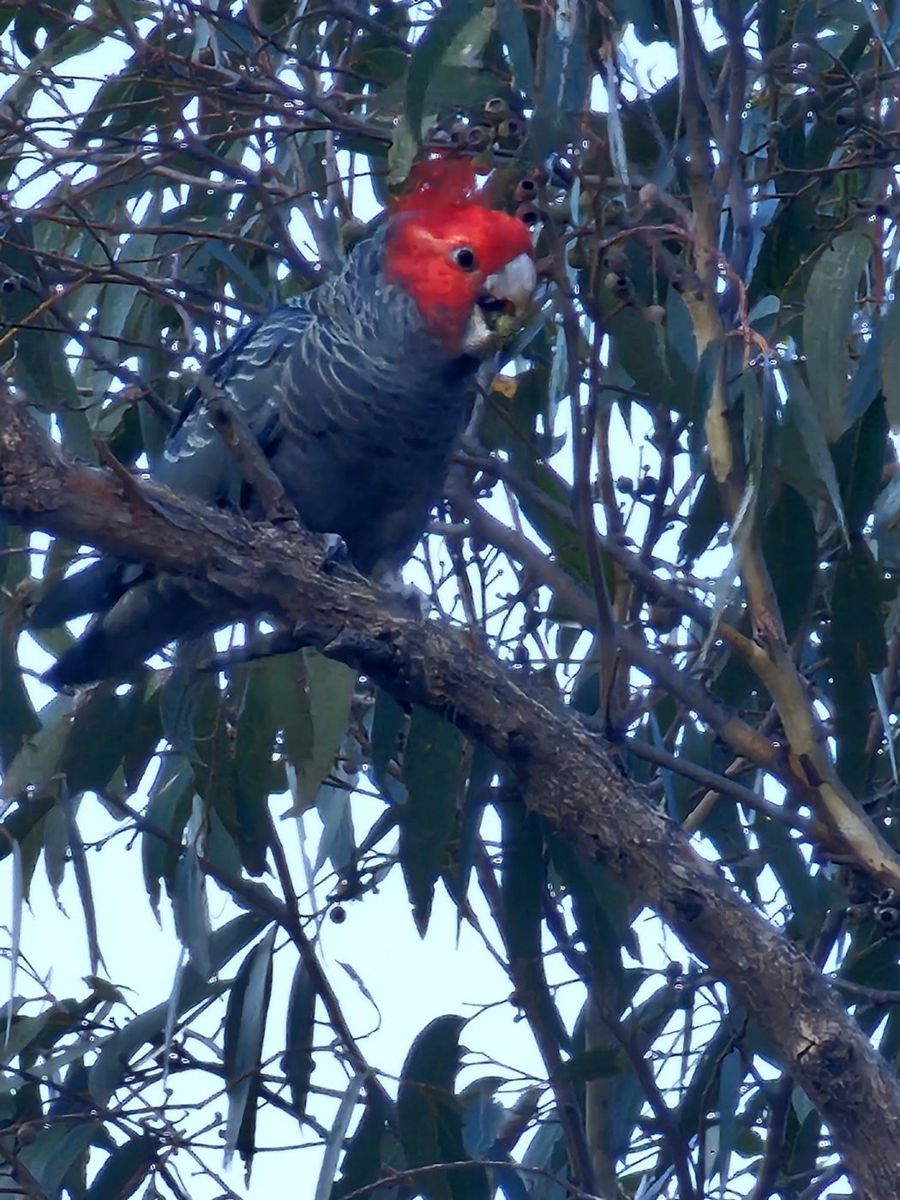
Birds are the most practical thing to monitor on a recovering block, for four reasons.
- You can detect them. They are abundant, diverse and mostly identifiable by sound, which means you can survey them without catching or disturbing anything.
- They read the habitat for you. Different species need different layers — ground, midstorey, canopy, hollows. A bird list is effectively a readout of the structure in 3.3. Losing the midstorey birds tells you the midstorey hasn’t come back, whatever the canopy looks like.
- They recover on a known timetable. Diversity stays low for around three years after a severe fire (2.1), so a block that is still quiet in year two is normal — and one still quiet in year five is telling you something.
- People notice them. The first return of a familiar call is the most convincing evidence of recovery most landholders will ever get.
There are two ways to survey them, and they answer different questions: a standard survey done by ear (3.5), and a listening station that runs continuously (3.6).