Why invasives are the priority
If you do one thing for wildlife after a fire, control the weeds and pest animals. That is the consistent finding from research following Black Saturday and Black Summer: controlling introduced predators and herbivores is generally the most valuable intervention available, ahead of anything you can plant or build.
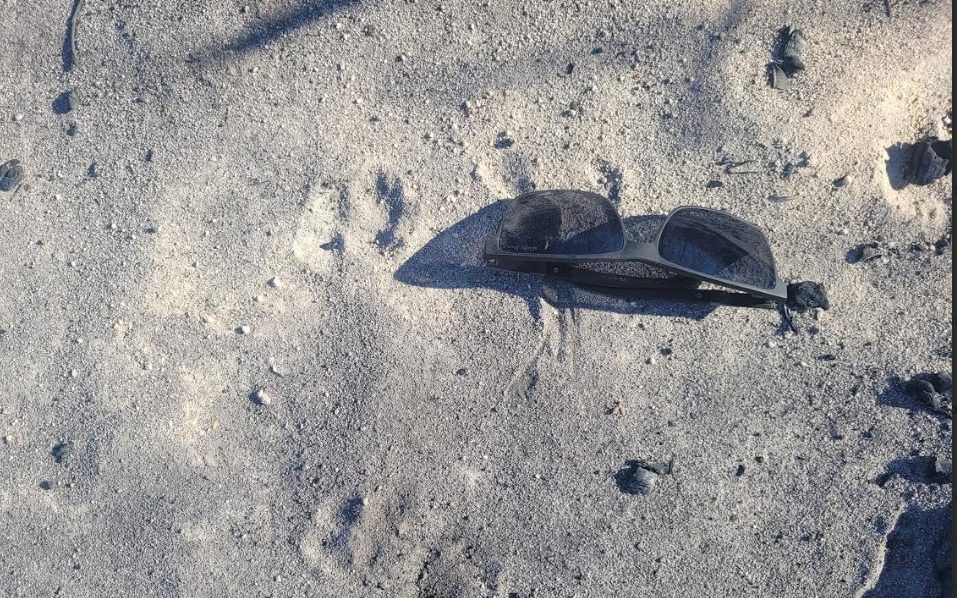
What happens to predators
Foxes and cats move into burnt country almost immediately — within hours of the fire passing. Research on fire-affected Victorian landscapes found that where understorey cover was lost, pest predator activity increased around five-fold, and fox predation on medium-sized native mammals doubled.
The reason is simple. The animals that survived the fire have nowhere left to hide, and they are concentrated in whatever cover remains. Long-term small mammal trapping in Victorian parks shows the same pattern from the other side: a sharp drop in native small mammals after fire, and a slow recovery.
What happens to herbivores
Deer, rabbits and house mice arrive fast and eat the recovery. House mice are typically the first mammal back, breeding up on seed and fresh germination, and can dominate for years before native species return.1 Deer and rabbits hit the regrowth at exactly the stage it can least afford it — a browsed-off seedling is the same outcome as no germination (2.2).
Putting out food for surviving wildlife is well meant and generally advised against. It concentrates animals where predators can find them, supports pest species as readily as native ones, and carries disease and dependency risks. The evidence supports controlling invasives instead.
The order that follows from this runs through the rest of Part 4: work out what you have (4.2), map and prioritise it (4.3), and deal with the animals (4.4).
The house mouse claim is now cited to Hale and others. Still uncited: the timing given for deer and rabbit impact on regrowth.