Weeds after fire — what to look for and where
Fire clears the ground, opens the canopy and puts nutrients in the ash bed. That is a regeneration opportunity for natives and an equally good one for weeds — and weeds are usually faster.
What makes a weed win after fire
- Fire-cued germination — heat or smoke triggers it, so the fire itself starts the infestation.
- A persistent seedbank — seed that has been waiting, sometimes for years.
- Speed — establishing and setting seed before natives have closed the gap.
Where to look
Weeds arrive along edges and disturbance. Check, in roughly this order: access tracks and roadsides; watercourses and drainage lines, where rain carries seed downhill and eventually into waterways; animal pads and fence lines; and anywhere machinery worked during or after the fire, including containment lines and dozer tracks.
What this project found
Across the nine demonstration properties, the species that turned up were:
- Woody: sallow wattle, blackberry
- Grasses: perennial veldt grass
- Pioneers: stinkwort, horehound, thistles
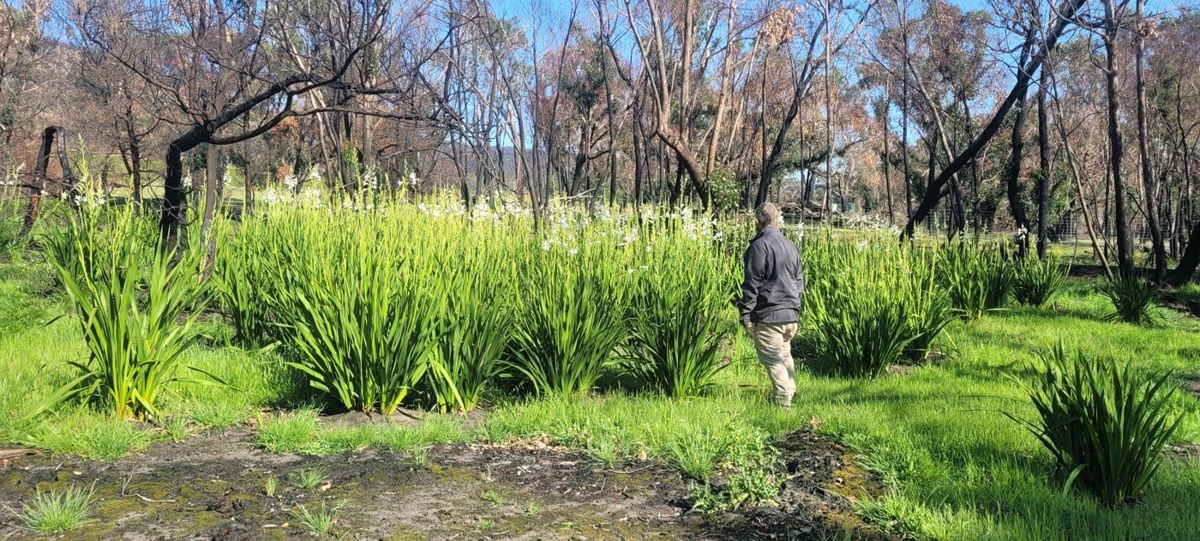
- Bulbs, corms and tubers: cape tulip, South African weed orchid, arum lily, bridal creeper
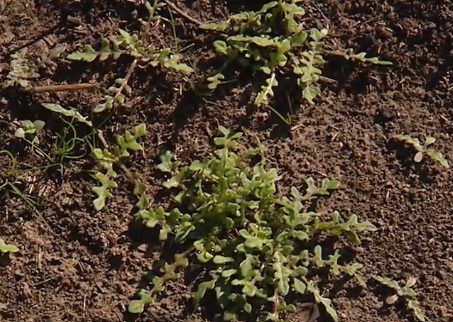
- New arrivals: red ink weed, which appeared on one property only after the fires
That last line matters most. A plant showing up on your place for the first time after a fire is the highest-value target you will get1 — small, beatable, and about to stop being either (4.3).
If you are not sure what something is, photograph it and let iNaturalist name it (3.2).2